Estate Planning
Estate Planning services
Planning for the future is one of the most thoughtful actions you can take for yourself and your loved ones. At Nwokoye Law, we specialize in comprehensive estate planning to ensure your assets are managed and distributed according to your wishes. Whether you need a simple will or a complex trust, our experienced attorneys are here to guide you every step of the way.
What is Estate Planning?
Estate planning involves creating a detailed plan to manage and distribute your assets upon your death or incapacitation. It covers legal documents such as wills, trusts, powers of attorney, and advance directives. By planning your estate, you minimize uncertainties, reduce taxes, and protect your family from potential disputes.
Benefits of Estate Planning
Planning your estate offers numerous benefits, such as:
Protecting Your Loved Ones
Ensure your family’s financial security and avoid unnecessary legal complications.
Avoiding Delays
Proper planning can expedite the transfer of assets and minimize court involvement.
Reducing Taxes
Utilize trusts and other tools to decrease tax burdens on your estate.
Preserving Your Legacy
Clearly define your wishes to maintain family harmony and honor your legacy.
Our Estate Planning Services
At Nwokoye Law, we offer a wide range of estate planning services tailored to meet your unique needs, including:
Wills and Trusts
Drafting legally binding wills to specify asset distribution.
Creating revocable and irrevocable trusts for asset protection and management.
Living Wills and Advance Directives
Preparing instructions for medical decisions in case of incapacitation.
Ensuring your healthcare preferences are respected.
Powers of Attorney
Establishing financial and medical powers of attorney.
Appointing trusted individuals to make decisions on your behalf.
Guardianship and Conservatorship
Helping you appoint guardians for minor children or dependents.
Assisting with conservatorships for individuals unable to manage their affairs.
Estate Tax Planning
Developing strategies to minimize estate and gift taxes.
Ensuring your estate’s financial health for future generations.

Young Couples

Grand Parents

Single Parents

Families

Married with Children

Blended Families

Life Partners

Business Owners
Estate Planning FAQs

What is estate planning?
Estate planning is the process of organizing your legal and financial affairs so your assets are protected and distributed according to your wishes after your death or if you become incapacitated. It often includes documents such as wills, trusts, powers of attorney, and healthcare directives.
Do I really need an estate plan?
Yes. Estate planning is important for anyone who owns property, has savings, has children, or wants control over how their assets are handled. Without an estate plan, state law will determine how your property is distributed, which may not reflect your wishes.
What happens if i die without a will?
If someone dies without a will, they are considered to have died “intestate.” In that situation, the court distributes the person’s assets according to state law. This process can be lengthy and may not distribute assets the way the person would have preferred.
What is Probate?
Probate is the legal process where a court validates a will and oversees the distribution of a deceased person’s estate. Depending on the circumstances, probate can take several months or longer to complete.
Can estate planning help avoid probate?
Yes. Certain estate planning tools, such as living trusts and beneficiary designations, can help reduce or avoid probate and simplify the transfer of assets to heirs.
do estate plans only apply to wealthy individuals?
No. Estate planning is important for people at all income levels. Even modest estates benefit from having clear instructions about asset distribution, guardianship of children, and healthcare decisions.
Legacy Protection Counsel Education Series:
How Protected Is Your Legacy
Violet Nwokoye is inviting you to a scheduled Zoom meeting.
Join Zoom Meeting
https://us06web.zoom.us/j/85140204399?pwd=vCyWgyHPaVCuDSdt7wzYuBHW25bKg9.1
View meeting insights
https://us06web.zoom.us/launch/edl?muid=8b032bd4-d1bb-4912-9c6f-2d9468129118
Meeting ID: 851 4020 4399
Passcode: 1001
---
One tap mobile
+13462487799,,85140204399#,,,,*1001# US (Houston)
+12532158782,,85140204399#,,,,*1001# US (Tacoma)
---
Join by SIP
Join instructions
Contact Nwokoye Law
for Estate Planning Services
Take control of your future today. Contact Nokoye Law in Arlington, Dallas, Fort Worth, & North Texas, to schedule your estate planning consultation. We’ll help you safeguard your assets and provide peace of mind for you and your loved ones.
Contact Information
Phone: +1-888-544-4909
Email: info1@nvnlawfirm.com
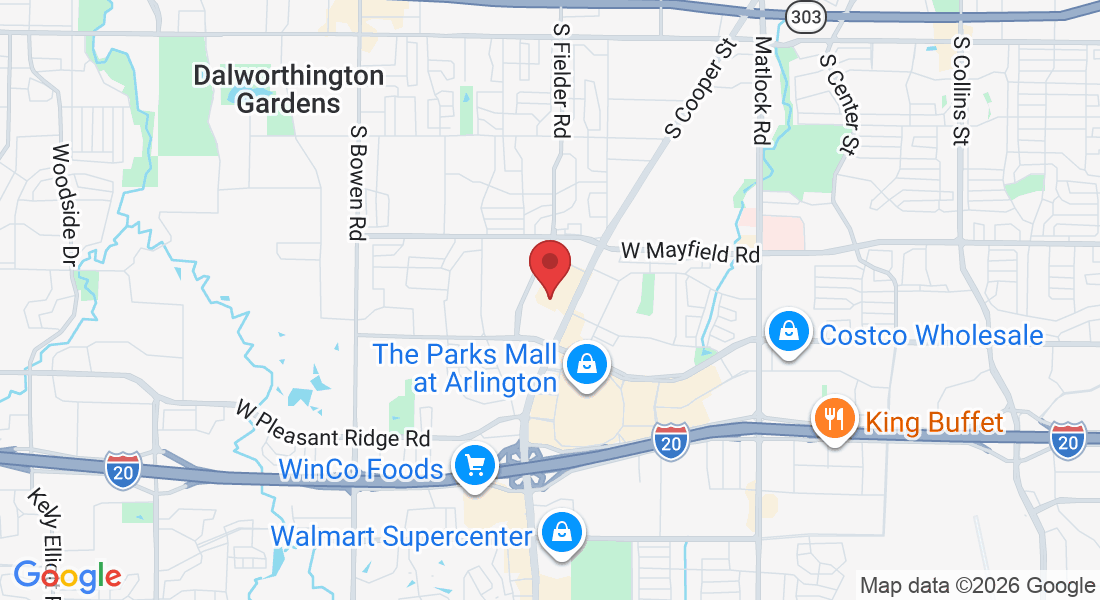
Address: 3620 S Cooper St Ste 100, Arlington, TX 76015
business hours
Mon-Thu: 8:30am - 5:30pm
Friday: 8:30am - 1:30pm
Sat-Sun: Closed